As summer begins to wind down, the Environmental Stewardship Committee is planning a Beach Clean-Up…
Invasive Species in Southcott Pines – ESC Update – Feb. 20, 2026
Invasive Species in Southcott Pines
By Carolyn Young
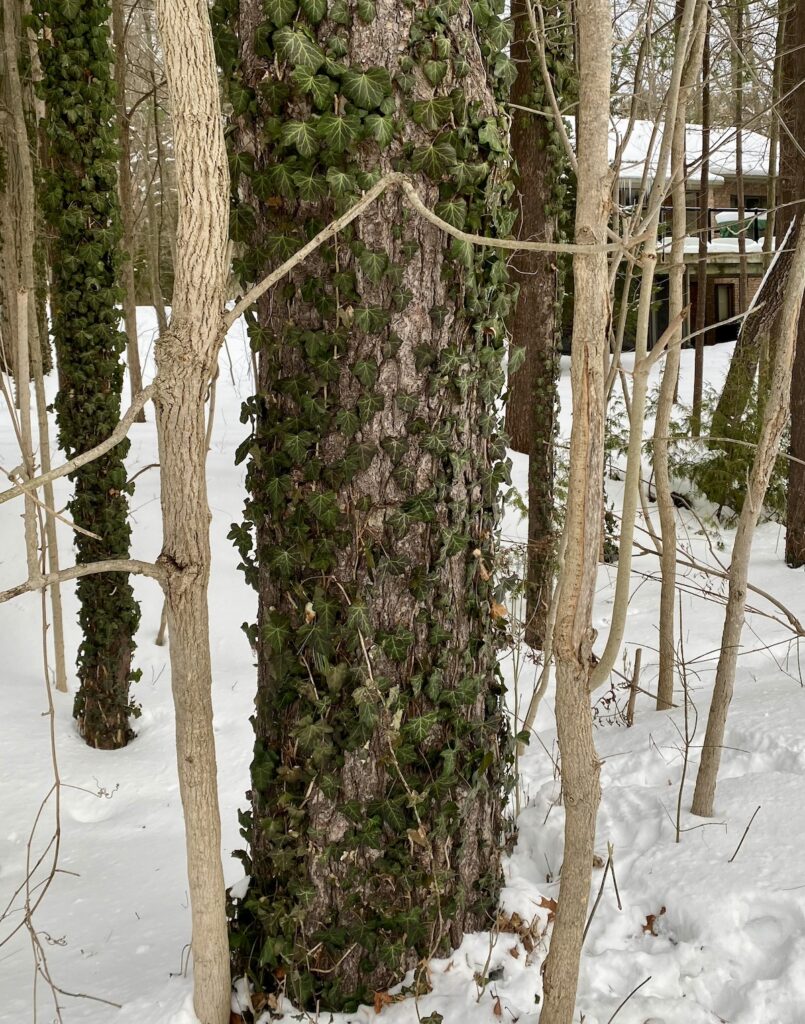
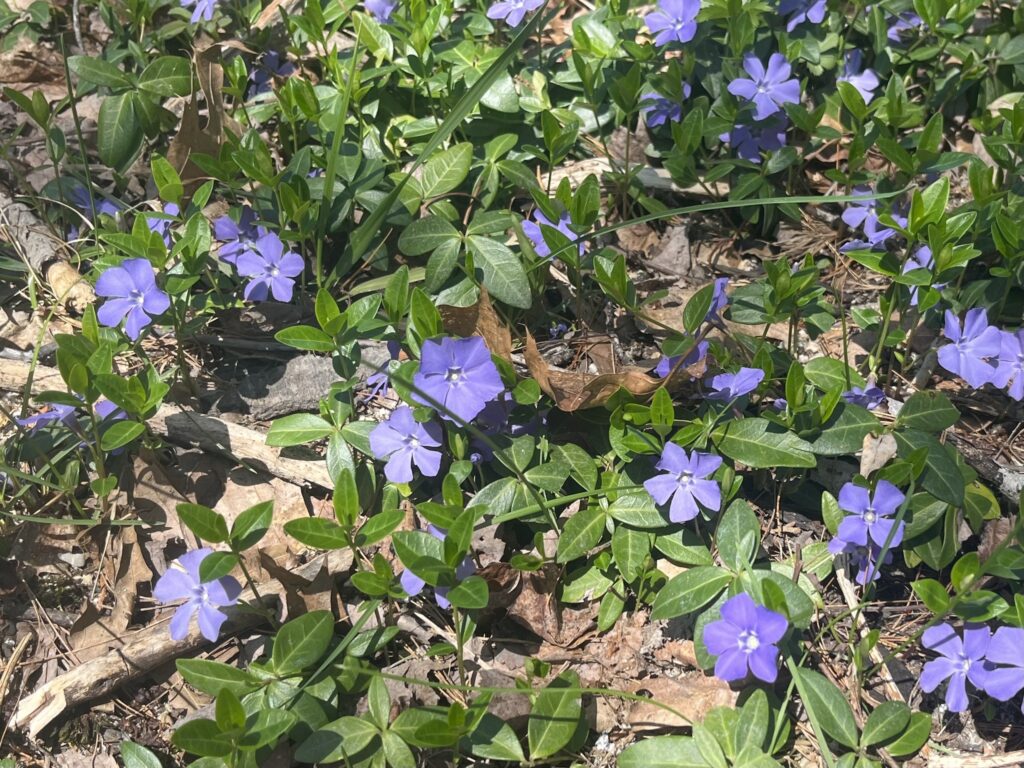
Invasive Species Awareness Week (February 23 – March 1) is the perfect time to plan your spring garden with our local ecosystem in mind. Unfortunately, two of the most common invasive plants in Southcott Pines — English Ivy and Periwinkle — continue to spread rapidly. While attractive and easy to grow, these plants provide little or no food for birds, pollinators, or other wildlife. They replace native species, threaten biodiversity, and, in the case of English Ivy, weaken and damage mature trees.
You can make a meaningful difference. When planning your garden, choose native plants and shrubs that support pollinators and local wildlife. If you have English Ivy or Periwinkle on your property, consider gradually removing it and replacing it with native alternatives. Small steps taken by many households can protect and restore the natural beauty of Southcott Pines.
Three Ways to Stop the Spread:
- Mark May 2 on your calendar for the Spring Native Plant Sale at Lambton Heritage Museum. Hundreds of plants and shrubs from local native plant nurseries will be on site with experts to help you choose what’s best for our sandy, shady gardens.
- To remove English ivy from trees, sever the vines in a circle around the trunk at shoulder height and again near the ground, creating a 3-foot “death ring”. Leave the severed ivy on the tree to die and dry out, as ripping it off can damage the bark. Dig out the root base and monitor for regrowth.
- Removing periwinkle requires a persistent, multi-year approach focusing on removing all roots, as fragments can resprout. Manual removal via hand-pulling or using a rake/pitchfork is most effective when soil is moist. For larger areas, cut the plants, then cover with heavy black plastic or tarps for 1–2 years to starve them of light.
For more information, check out these resources:
Ontario Invasive Plant Council
Canadian Coalition for Invasive Species
Grow Me Instead